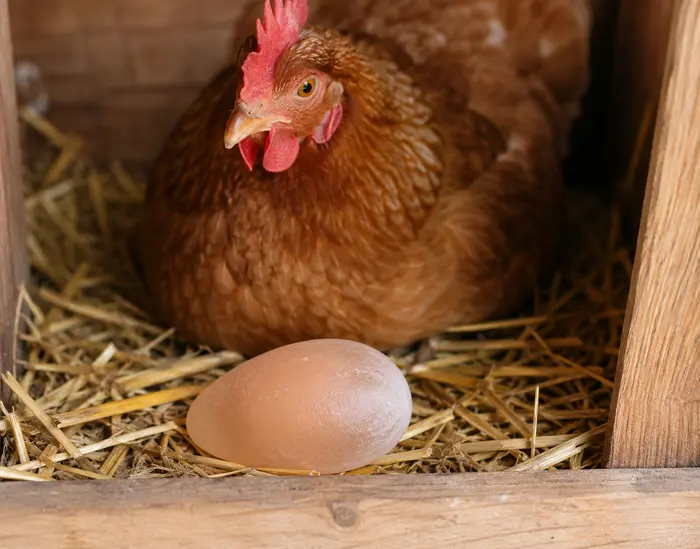
A soft egg is a situation that often worries hen owners. When an egg is covered by a soft membrane rather than a hard, resistant shell, it's normal to wonder what's going on. Is it a health problem? A dietary deficiency? A sign of stress?
The good news is that, in most cases, you can quickly identify the cause and make simple corrections. Understanding why your hens sometimes produce eggs with a fragile shell will help you keep a healthier small flock and enjoy a steady supply of quality eggs.
Why is my hen laying a soft egg?
Several factors can explain the presence of a soft egg in the nest box.
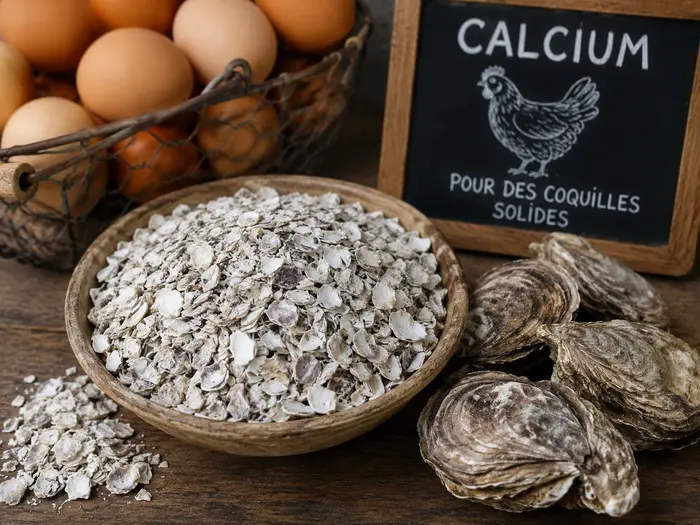
The most common cause is a lack of calcium. The shell is made mainly of this essential mineral. If a hen doesn't eat enough of it, her body will struggle to produce a solid shell.
Age also plays an important role. Young hens that start laying sometimes produce irregular eggs during their first weeks of laying. Conversely, older hens can also have more trouble making resistant shells.
Stress can also disrupt the egg-formation process. A change of environment, the arrival of new animals, a predator attack or extreme temperatures can temporarily affect egg quality.
Finally, some illnesses or infections can occasionally cause laying anomalies. If the problem becomes frequent or affects several hens, a more thorough assessment may be necessary.
What can I give my hens to harden their eggs?
To get stronger shells, diet should be the first thing to check.
Laying hens need food specially formulated for laying. These feeds generally contain the right amounts of calcium, phosphorus and protein.
You can also offer:
- Crushed oyster shells offered free-choice.
- Ground, dried eggshells.
- A balanced diet rich in minerals.
- Access to the outdoors to encourage physical activity.
Vitamin D matters just as much. Without it, calcium is less well absorbed. Exposure to natural light therefore contributes directly to shell quality.
When nutritional needs are properly met, the production of solid eggs often improves in just a few weeks.
How to strengthen egg shells?
Strengthening egg shells calls for an overall approach rather than a miracle solution.
Start by making sure each hen has constant access to clean water. Slight dehydration can affect laying and egg quality.
Also keep a calm, safe environment. A relaxed hen devotes more energy to her normal biological functions.
Here are some good practices:
- Provide a complete feed for laying hens.
- Add a source of calcium available at all times.
- Avoid sudden changes in diet.
- Limit sources of stress.
- Offer enough space in the henhouse.
- Clean the facilities regularly.
A solid shell often reflects good general health. When all the basic needs are met, the results become visible quickly.
What to do if your hen lays soft eggs?
If your hen occasionally lays soft eggs, there's usually no need to worry. An isolated incident may simply be linked to a temporary variation in the laying cycle.
However, if several eggs show the same problem, it's advisable to act quickly.
Observe your hen and ask yourself a few questions:
- Is she eating normally?
- Is she drinking enough?
- Does she have access to a source of calcium?
- Does she show signs of tiredness or illness?
- Is the problem affecting several hens?
Another often-overlooked point concerns periods of intense heat. During summer, hens drink more and may sometimes eat less food, which reduces their intake of essential minerals.
When soft eggs become frequent, it's best to review the hens' complete diet to identify a possible deficiency.
Common mistakes to avoid
Some mistakes can prolong the problem without you realising it.
For example, giving too many treats or table scraps can unbalance the hens' diet. Even if they seem to enjoy these foods, they may then eat less complete feed.
Another mistake is assuming that a calcium supplement will solve every problem. In reality, calcium absorption also depends on phosphorus, vitamin D and the animal's general state of health.
Finally, neglecting environmental stress can prevent any lasting improvement. A clean, spacious and well-ventilated henhouse remains one of the best investments for egg quality.
Conclusion
Seeing a soft egg isn't necessarily an alarming sign, but it's often a useful indicator of your hens' health and diet. By checking their calcium intake, their environment, their stress level and the quality of their food, you can usually correct the problem quickly. Regular attention to your hens' needs not only produces better shells, but also encourages a simpler, more natural and more satisfying way of keeping them day to day.
Have you ever seen soft eggs in your henhouse, and which solutions gave you the best results?